Not at all. But you have to make sure it aligns with the value you bring every year or month.
Hi Alex,
Very interesting everything you are sharing. I read above, that besides these you mention here you also have an installation fee? Is that per scenario? Meaning, every time they need a new scenario there is a new installation fee?
Also, I assume the configuration of some scenarios is more complex than others, is the price a standard price for all regardless of the scenario or is it based on complexity and any customization requirements?
The installation fee is to configure and install all the scenarios that compose our suite of automation for QuickBooks for WildApricot. There are multiple scenarios that accomplish the invoice, customer and payment sync process. We charge a small fee when we need to upgrade the scenarios if we ever make material improvements to how they work and our clients want to get the upgrade on their Make.com account.
All our scenrios for this particular package have to be configured via a Make.com data store record that we defined, so the underlying scenarios don’t change but only the configuration data that feeds the scenarios.
@alex.newpath thank you for your input! How do you keep your clients not copying your scenario to their own account and leave your subscription?
Me personally, apart from bespoken developments I also sell blueprint templates at this automations marketplace NoCodeClick, it’s more or less passive income and works as a portfolio too, so many times the sell is easier because they know what they want already.
1 Like
We don’t. We give them the scenarios and put them in their own make account they setup with our affiliate link. If they want to modify them they can. If they break them we charge them to go back to the standard scenarios. There’s not real way to limit access unless you host the scenarios on your own account and don’t give them access to login. We don’t do that.
Late to the party, but I appreciate @alex.newpath insights this is more than a single threat is a Master Class.
Thanks for sharing the knowledge.
1 Like
You’re most welcome. If anyone has any other questions please ask away. Currently we are adding a major new feature and getting one of our new customers to fund the development. We will pay back their investment over the next 10 customers but the new feature will be available to everyone who buys it. If anyone wants the scenarios updated we will charge a $199 update fee for the upgrade to their existing configuration.
1 Like
@alex.newpath this is all fantastic. I’ve been a hobbyist user of Make and I’ve been wanting to branch out into a side business doing this as well. Thanks for the insight and motivation!
Do you have any tips for stepping in from a hobbyist to a service provider?
Thanks again!
Find a niche you’re good at and double down on becoming the best in that area. There are many who compete with you. You will have to find customers who simply like your work better than others.
Also you’ll need to contribute and give a lot more before you get.
3 Likes
Hey, great question — I’ve run into this too when trying to monetize Make scenarios and automation blueprints.
You’re right, once you share the blueprint, you’re pretty much handing over the source logic. One thing that’s worked for me is not selling the blueprint directly, but instead offering it as a service — like hosting it on my account and charging for access, customization, or automation runs. That way, I stay in control and still monetize.
Another approach is building a custom interface or app around the Make logic, then gating access through subscriptions or pay-per-use. If you’re heading that route, a white-label video or content portal might actually help — I recently came across VPlayed, which lets you launch your own branded platform and monetize however you want (subscriptions, ads, pay-per-download, etc.).
Even though it’s more video-focused, it gave me ideas on owning my delivery method, not just the file. You could technically build a resource hub for your Make tools and tutorials there and keep full control.
And we live in an ideal world now don’t we?
I am proud to announce the launch of https://accountbridge.app
AccountBridge is the world’s first SaaS that runs with make.com as the fully enabled backend service. We operate a front end in react written in typescript and enable the backend configuration and scheduling completely with the Make API.
We have 50 customers on board already and are planning to bring on 1,000 customer by the end of 2026.
We are looking for angel investors to come along with us on our low code journey. If you are interested please review our pitch deck.
1 Like
(post deleted by author)
I’ve created a website(www.superslash.cn) where anyone can publish their make.com automations as web applications, which can help them monetize their work.
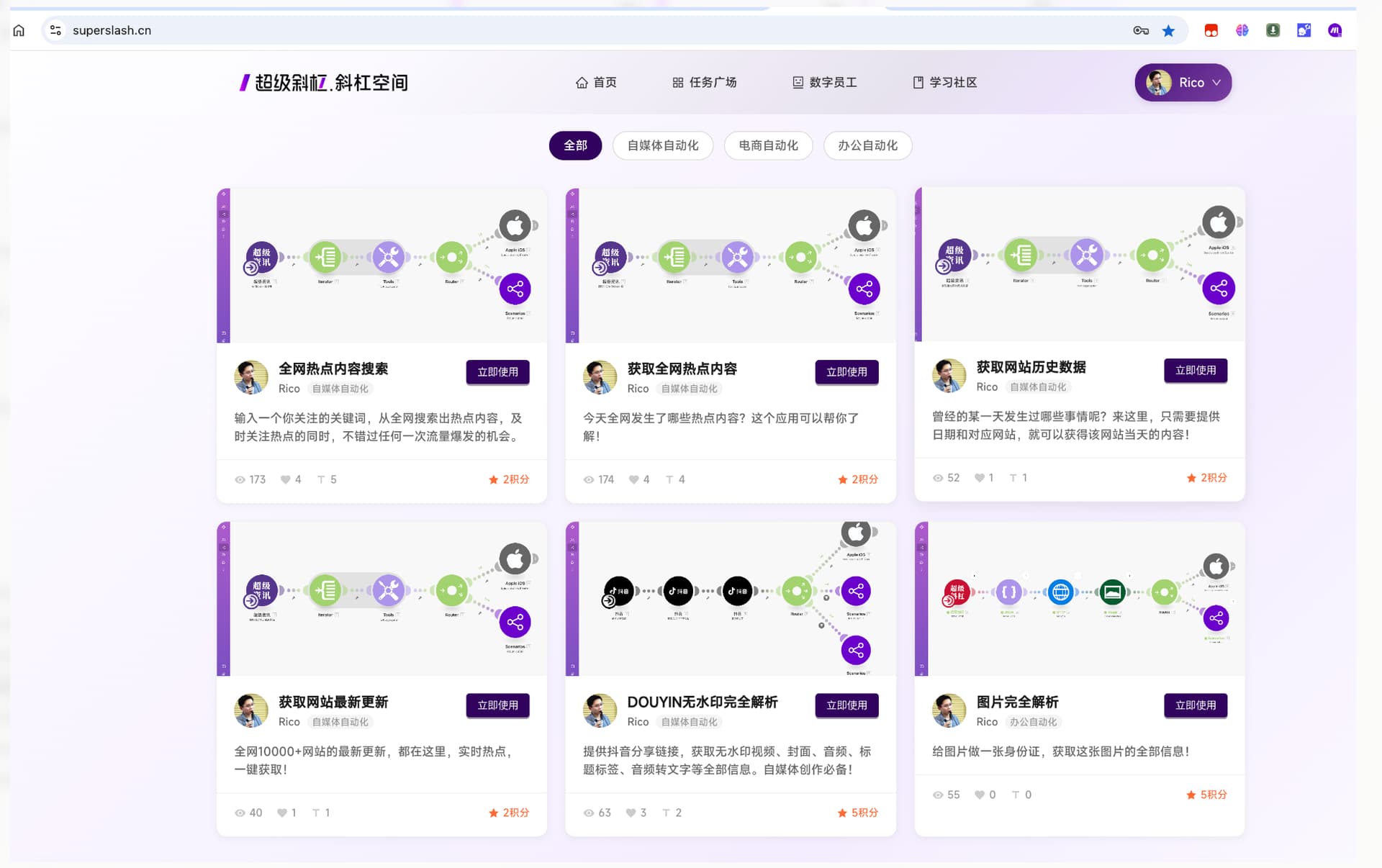

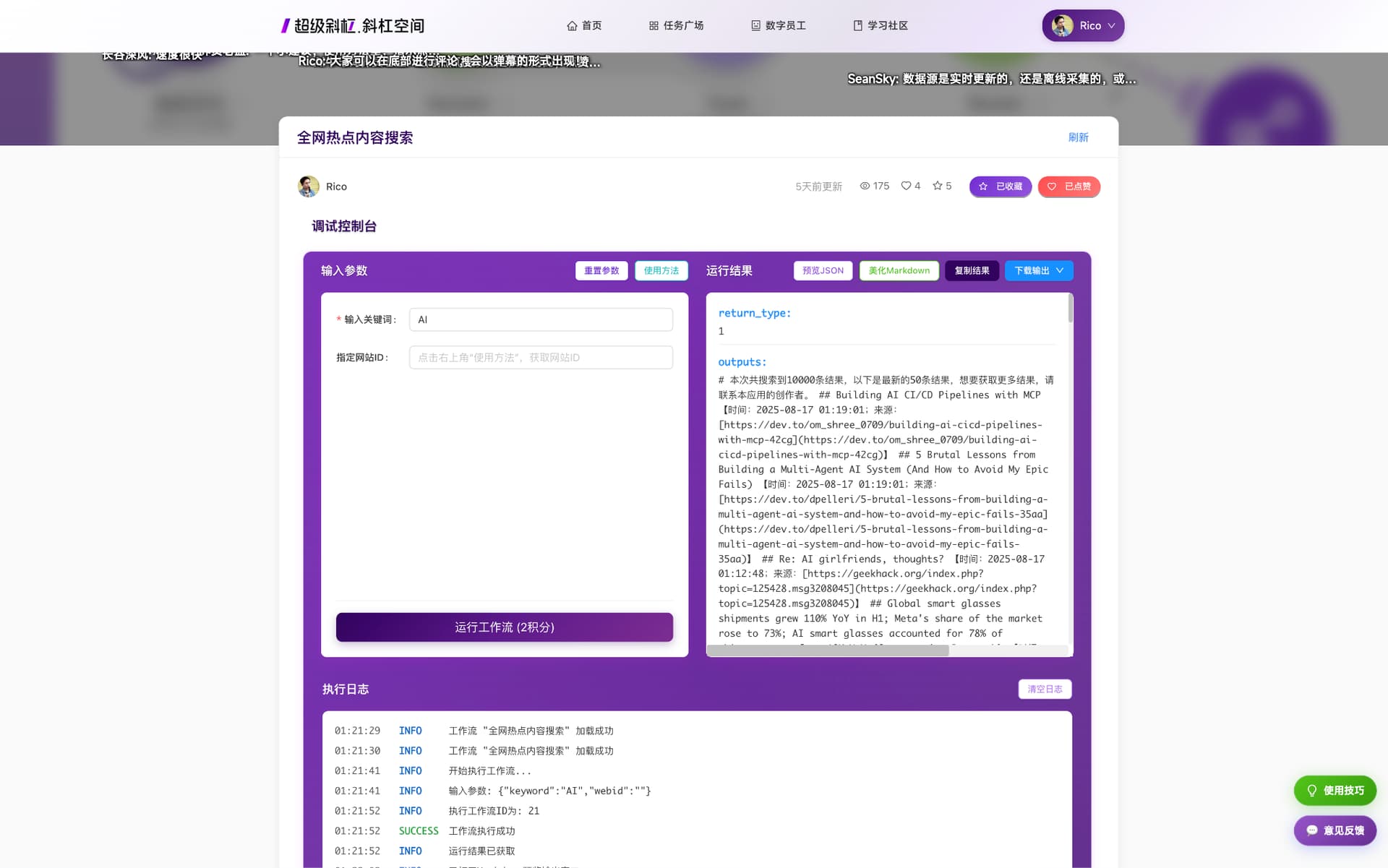
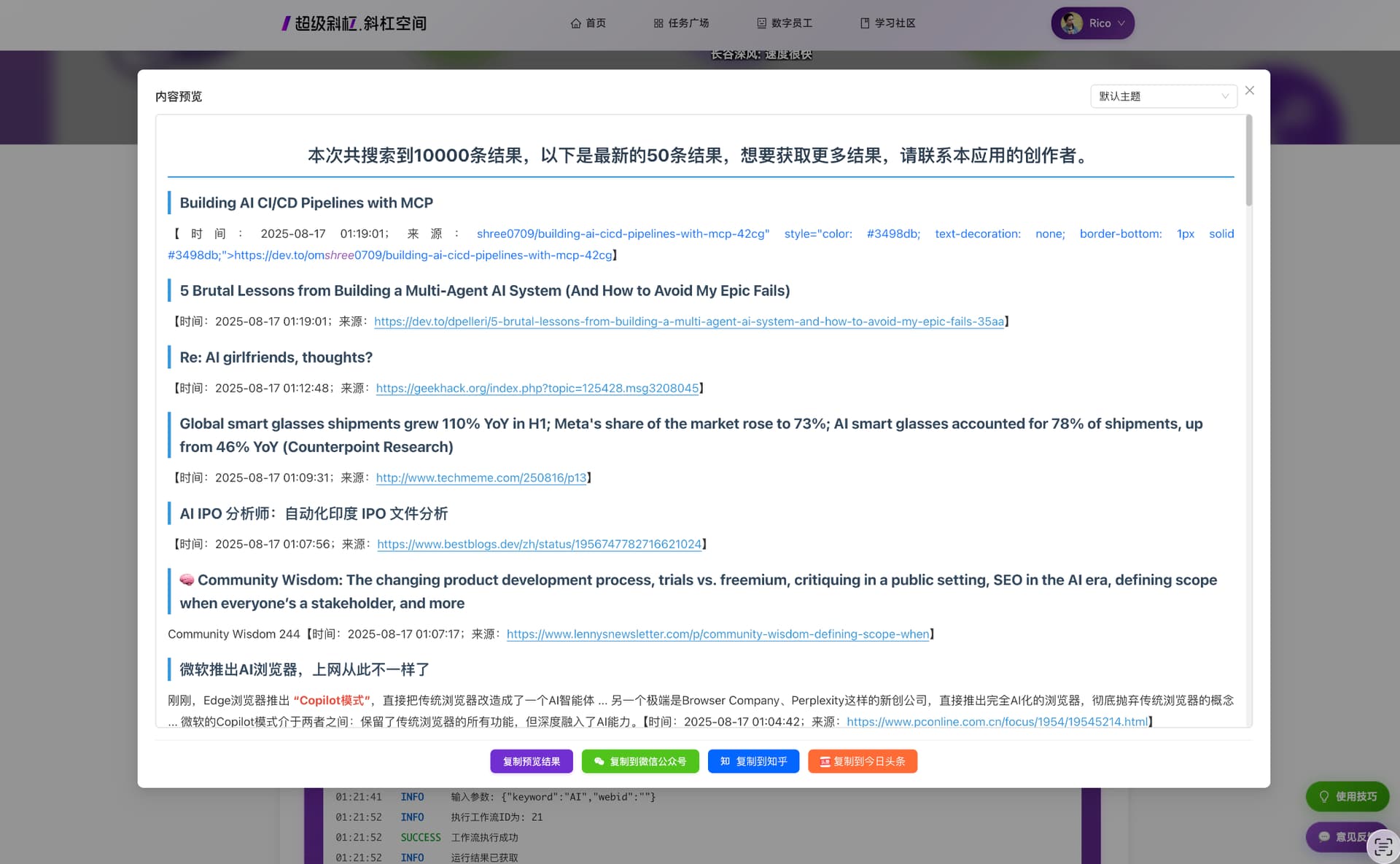
1 Like
Recommend checking out neura.market, largest marketplace for automation workflows, you can list and find workflows there. Add your make solutions for free or monetize them
There are basically two approaches (can be merged :D) that can respond to your thread question - “How do you monetize your make.com solutions?”
- Described here - selling blueprints/solutions requiring small improvements and/or custom apps
- Totally opposite - do everything tailored to client needs
To be honest - I never implemented the same scenario twice anywhere.
We always start with an “empty page” and use Make’s potential to create tools which address specific client needs. But it’s much more about business analysis and consulting.
*except a set of our basic scenarios like early notifications of insufficient credits and webhook hubs keeping them alive on rarely-used scenarios.
That is not exactly true.
There is a way to build a generic suite of scenarios that are configurable via a data store. And then sell the exact same solution to a targeted set of customers. This does require identifying a pain shared by a relatively large number of customers and being able to market to them effectively
I believe building custom scenarios while in theory a decent way to start is not scalable to a highly profitable automation business. You’re basically at the mercy of clearly defining and documenting the scope based on your customer’s requirements and actually building out the scenarios. With the related unknowns always lurking. And then maintenance.
Charging for time is always in jeopardy of the lowest possible hourly rate.
Charging for value for a known existing set of scenarios is a repeatable process that returns more and more with every new customer you gain.
1 Like