What is your goal?
To build a scalable and stable automated system (SaaS) using Make to publish content dynamically to a client’s Instagram Business Account (IBA). The system uses the two-step Graph API method (Container Creation followed by Media Publish). The Facebook publishing path is stable and fully functional.
 What is the problem?
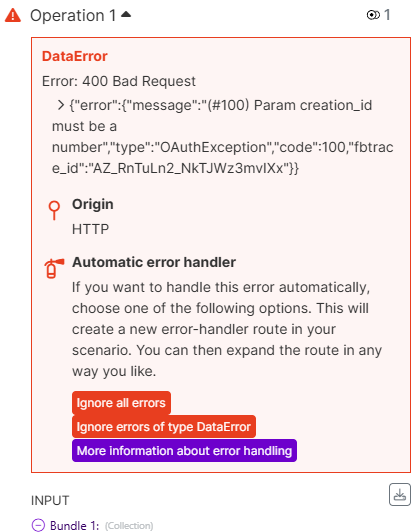
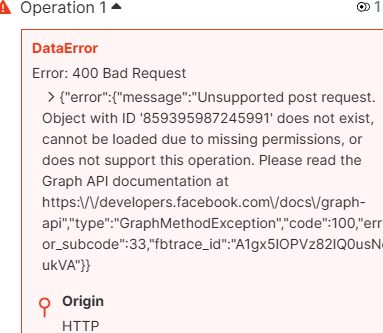
The system fails with a critical permissions error during the first step of the Instagram publishing protocol (Media Container Creation). This happens even with a valid Long-Lived Page Access Token, indicating a fundamental flaw in the external API call structure or permissions linkage.
Exact Error: We receive a 400 Bad Request / GraphMethodException with the message: Object with ID ‘[Page ID]’ does not exist, cannot be loaded due to missing permissions, or does not support this operation. This suggests the API is rejecting the token’s claim over the target page/account.
 What have you tried so far?
Token Verification: The Access Token has been verified as a Long-Lived Page Access Token and includes all necessary permissions (e.g., pages_manage_posts, instagram_content_publish). The token is not expired.
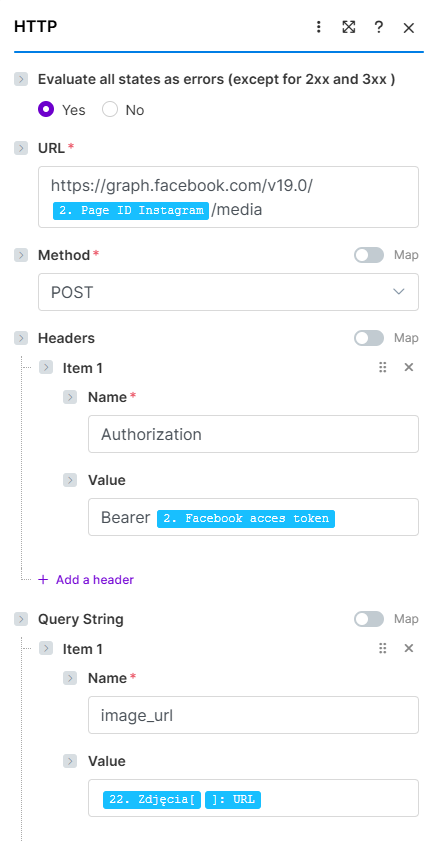
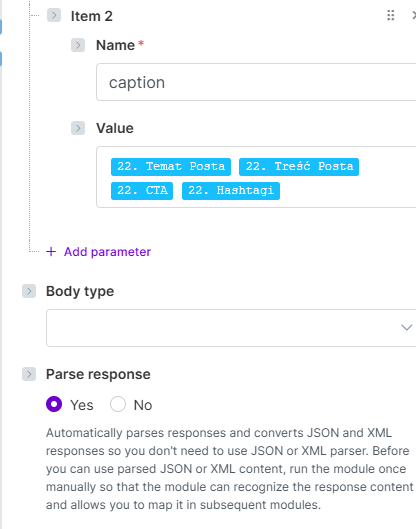
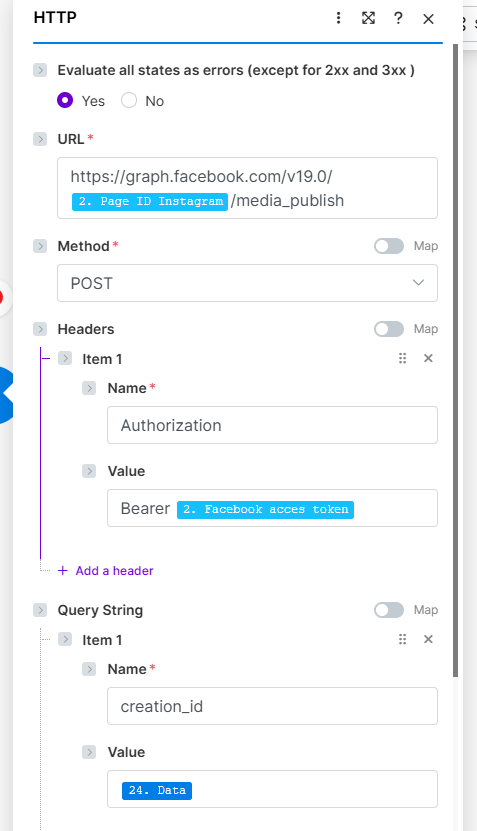
Module Switch: The unstable one-step Create a photo post module was replaced with two raw HTTP: Make a request modules (Container Creation and Publish) to enforce the modern API protocol.
ID Mapping Audit: We confirmed that the error is not due to a blank ID. We have tested both possible URL structures for Container Creation:
Using the IBA ID in the URL path (…/{IBA ID}/media).
Using the Facebook Page ID in the URL path, with the IBA ID passed as a query parameter.
Both methods fail with the same permissions error, suggesting the token—though correct—is not authorized by Meta to act on that specific IBA ID via the current App settings.
App Setup: A new Meta App (LocalBoostPl-IG) was created, and the Website platform and Redirect URI were configured to eliminate external security blocks.
The unresolved issue remains a conflict between the token’s authorized entity (the FB Page ID) and the entity being addressed in the API call (the IBA ID) which the API is rejecting.